
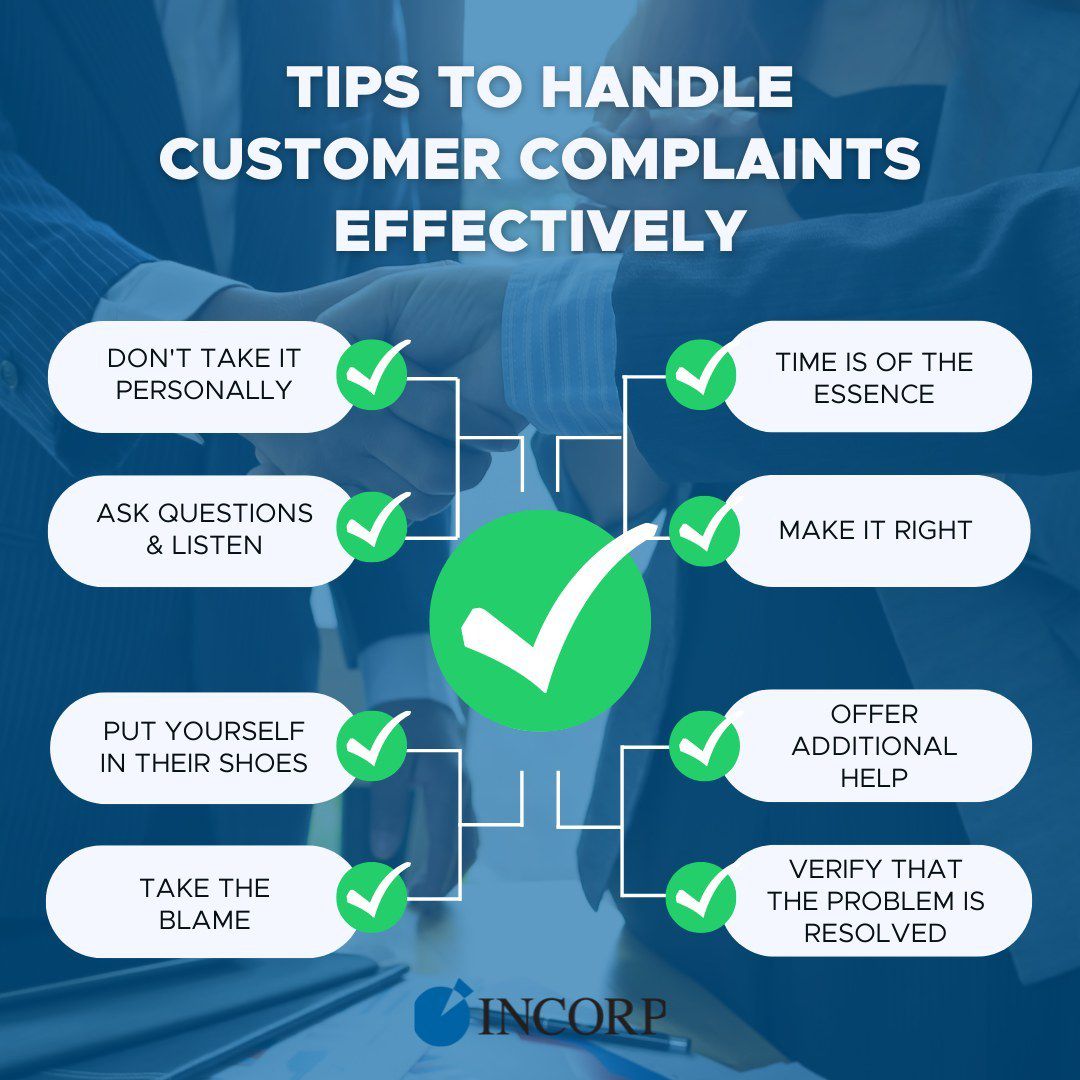
Is your business struggling to maintain high service standards? Are customer complaints piling up, leaving you feeling overwhelmed? Complaint handling is a crucial aspect of any successful business, and mastering it can significantly improve your service quality. By effectively addressing customer concerns and resolving issues, you can turn negative experiences into opportunities to build trust and loyalty. This article will provide you with practical strategies and actionable insights to help you handle complaints effectively and improve your overall service delivery.

Key Takeaways:
- Effective complaint handling is essential for improving service quality and customer satisfaction.
- Turning complaints into opportunities can build trust and foster customer loyalty.
- Active listening, empathy, and prompt resolution are key to successful complaint handling.
- Analyzing complaint data can provide valuable insights for service improvement.
Understanding the Importance of Effective Complaint Handling
Ignoring or mishandling customer complaints can have devastating consequences for your business. Dissatisfied customers are likely to share their negative experiences with others, leading to a damaged reputation and lost revenue. On the other hand, handling complaints effectively can create brand advocates and foster long-term customer relationships.
Complaint handling isn’t just about resolving individual issues; it’s about demonstrating that you value your customers’ opinions and are committed to providing excellent service. When customers feel heard and understood, they are more likely to forgive mistakes and remain loyal to your brand. Moreover, the feedback received through complaints can provide valuable insights into areas where your service needs improvement.
Effective complaint handling involves:
- Actively listening to the customer’s concerns and showing empathy.
- Acknowledging the issue and taking responsibility for the problem.
- Providing a prompt and satisfactory resolution.
- Following up to ensure the customer is satisfied with the outcome.
By implementing these strategies, you can turn negative experiences into positive ones and build stronger customer relationships. Remember, every complaint is an opportunity to learn and grow.
Practical Strategies for Streamlining the Complaint Handling Process
A streamlined complaint handling process ensures that complaints are addressed efficiently and effectively. This involves establishing clear procedures for receiving, recording, and resolving complaints.
Here are some practical strategies for streamlining your complaint handling process:
- Establish Multiple Channels for Receiving Complaints: Make it easy for customers to submit complaints through various channels, such as phone, email, online forms, and social media.
- Implement a Centralized System for Tracking Complaints: Use a CRM or dedicated complaint handling software to record all complaints, track their progress, and assign them to the appropriate personnel.
- Develop Standardized Response Templates: Create pre-written templates for common complaints to ensure consistency and efficiency in your responses. Personalize these templates to address the specific concerns of each customer.
- Empower Employees to Resolve Issues: Give your employees the authority and training to resolve complaints independently, without having to escalate every issue to a manager.
- Set Clear Service Level Agreements (SLAs): Define the timeframes for acknowledging, investigating, and resolving complaints. Communicate these SLAs to your customers so they know what to expect.
- Regularly Review and Update Your Processes: Continuously evaluate your complaint handling process to identify areas for improvement and ensure it remains effective.
By implementing these strategies, you can create a streamlined complaint handling process that improves efficiency, reduces response times, and enhances customer satisfaction.
Leveraging Feedback from Complaint Handling for Continuous Improvement
The data collected from complaint handling can provide invaluable insights into the strengths and weaknesses of your service delivery. By analyzing complaint trends, you can identify recurring issues and address their root causes.
Here are some ways to leverage feedback from complaint handling for continuous improvement:
- Categorize and Analyze Complaints: Group complaints into categories based on the type of issue, such as product defects, delivery delays, or billing errors. This will help you identify the most common problems.
- Identify Trends and Patterns: Look for patterns in the data to uncover underlying issues. For example, are certain products or services consistently generating more complaints than others?
- Prioritize Areas for Improvement: Focus on addressing the issues that are causing the most complaints or have the greatest impact on customer satisfaction.
- Implement Corrective Actions: Develop and implement solutions to address the root causes of the identified problems. This may involve changes to your processes, products, or employee training programs.
- Monitor the Effectiveness of Your Actions: Track the impact of your corrective actions on complaint volume and customer satisfaction. Make adjustments as needed to ensure your efforts are effective.
By using complaint data to drive continuous improvement, you can enhance your service quality, reduce the number of future complaints, and build a more loyal customer base. This approach requires us to be proactive and committed to making changes based on customer feedback.
Training Your Team for Excellent Complaint Handling
Your team is the front line of complaint handling, and their skills and attitude can significantly impact the customer experience. Providing adequate training is crucial for ensuring that your employees are equipped to handle complaints effectively.
Here are some key areas to focus on when training your team for excellent complaint handling:
- Active Listening Skills: Teach employees how to actively listen to customers’ concerns, ask clarifying questions, and demonstrate empathy.
- Communication Skills: Train employees to communicate clearly, professionally, and respectfully, even when dealing with angry or frustrated customers.
- Product and Service Knowledge: Ensure that employees have a thorough understanding of your products and services so they can effectively address customer inquiries and resolve technical issues.
- Conflict Resolution Skills: Equip employees with the skills to de-escalate tense situations, find common ground, and negotiate mutually agreeable solutions.
- Empowerment and Decision-Making: Grant employees the authority to make decisions and resolve issues independently, within established guidelines.
- Company Policies and Procedures: Familiarize employees with your company’s complaint handling policies and procedures, including escalation protocols and documentation requirements.
- Empathy and Emotional Intelligence: Help employees develop empathy and emotional intelligence so they can better understand and respond to customer emotions.
By investing in complaint handling training, you can empower your team to provide exceptional service, resolve complaints effectively, and build stronger customer relationships. This ultimately leads to improved customer satisfaction and loyalty, benefitting us all.