
Expanding your business into new markets or launching a new product is exciting, but it can also be daunting. Jumping in without properly assessing the waters can lead to costly mistakes and missed opportunities. That’s where market testing comes in. It’s a critical process that allows you to validate your assumptions, understand your target audience, and refine your offerings before making significant investments.
Key Takeaways:
- Market testing helps minimize risks associated with expansion and new product launches by validating assumptions.
- It provides valuable insights into your target audience, including their preferences, needs, and willingness to pay.
- Effective market testing allows for product and strategy refinement, increasing the chances of success.
- It’s a continuous process that should be integrated into your overall business strategy.
Understanding the Importance of Market Testing
Market testing is essentially a dress rehearsal for your grand opening. It involves introducing your product or service to a smaller, representative segment of your target market before a full-scale launch. This allows you to gather valuable feedback, identify potential problems, and make necessary adjustments to your product, marketing strategy, or even your overall business plan.
Think of it as a safety net. Instead of betting everything on a single launch, market testing allows you to incrementally invest and learn along the way. It can reveal unexpected customer behaviors, uncover hidden market demands, and highlight areas where you need to improve. By identifying these issues early on, you can avoid costly mistakes and increase your chances of success. Ignoring market testing is like setting sail without a compass – you might eventually reach your destination, but the journey will likely be longer, more difficult, and much more expensive. We’ve seen countless businesses save significant resources, and improve their overall strategy, by investing in thorough market testing.
Planning Your Market Testing Strategy
Before diving into market testing, it’s crucial to have a clear plan. This involves defining your objectives, identifying your target audience, selecting appropriate testing methods, and establishing metrics for success.
Start by clearly defining what you want to learn from the market testing process. Are you trying to validate a new product concept? Gauge customer interest in a particular feature? Determine the optimal pricing strategy? Your objectives will guide your testing methodology and help you interpret the results.
Next, identify your target audience for the test. Ensure that the group accurately represents the broader market you intend to serve. Consider factors such as demographics, psychographics, and purchasing behaviors. The more representative your test group, the more reliable your results will be. We have found that using various sources to identify the right customers is important.
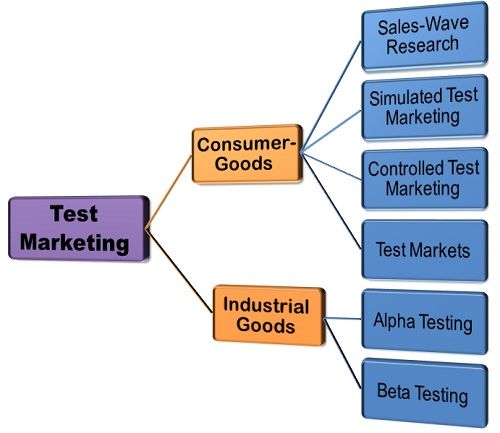
Finally, choose the testing methods that are most appropriate for your objectives and budget. Common market testing methods include:
- Surveys: Gathering quantitative data about customer preferences and attitudes.
- Focus Groups: Conducting in-depth discussions with small groups of customers to gather qualitative feedback.
- Beta Testing: Releasing a preliminary version of your product to a limited number of users for real-world testing.
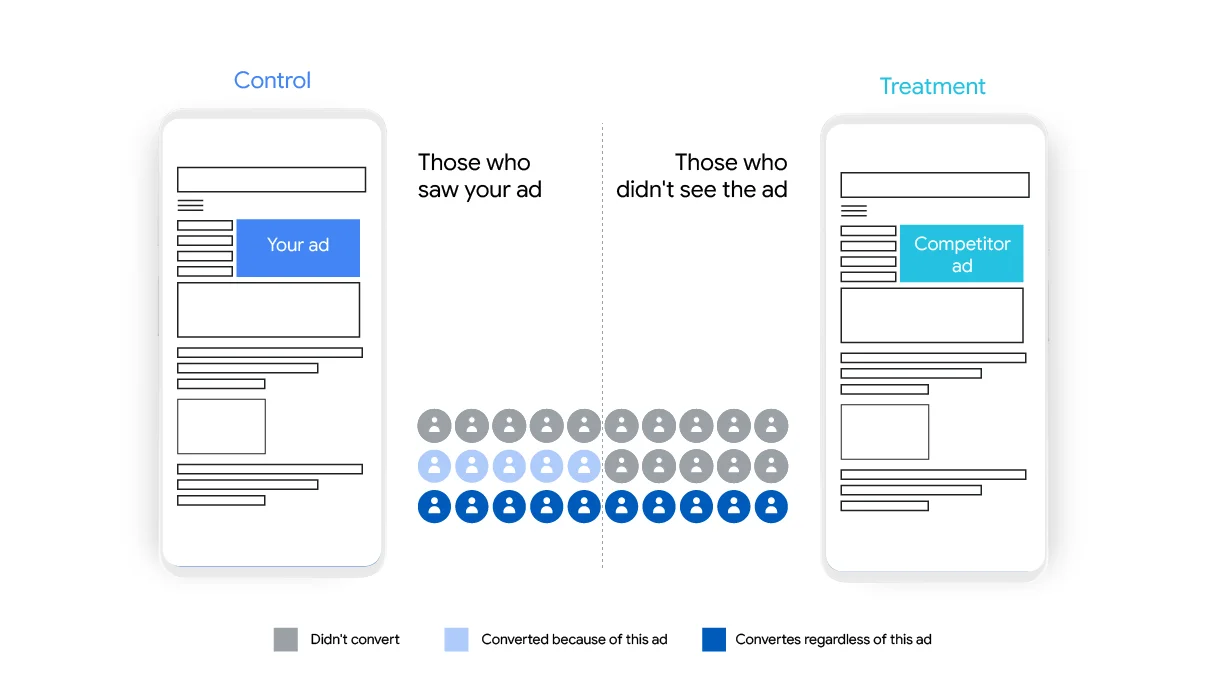
- A/B Testing: Comparing two different versions of a marketing message, website, or product feature to see which performs better.
- Simulated Test Markets: Creating a controlled environment where customers can interact with your product and provide feedback.
Executing Your Market Testing Campaign
Once you have a plan in place, it’s time to execute your market testing campaign. This involves recruiting participants, conducting the tests, and collecting data.
During the testing process, it’s important to remain objective and avoid influencing participants’ responses. Provide clear instructions and create a comfortable environment where they feel free to express their honest opinions.
Carefully document all the data collected during the tests, including both quantitative and qualitative feedback. This data will be the foundation for your analysis and decision-making. It’s important to establish the right key performance indicators (KPI’s) upfront, so you can accurately gauge success. We recommend closely monitoring these KPI’s during your market testing campaign, so that you can immediately address anything that goes wrong.
Analyzing Results and Making Informed Decisions
After you’ve collected enough data, it’s time to analyze the results and draw meaningful conclusions. Look for patterns and trends in the data, and compare your findings to your initial assumptions.
Did your product meet customer expectations? Was your pricing strategy effective? Were there any unexpected challenges or opportunities that emerged?
Use the insights gained from market testing to refine your product, marketing strategy, and business plan. Make necessary adjustments to address any problems identified during the tests.
Remember, market testing is not a one-time event. It’s a continuous process that should be integrated into your overall business strategy. As your business evolves and your market changes, you should continue to test your assumptions and refine your offerings.