
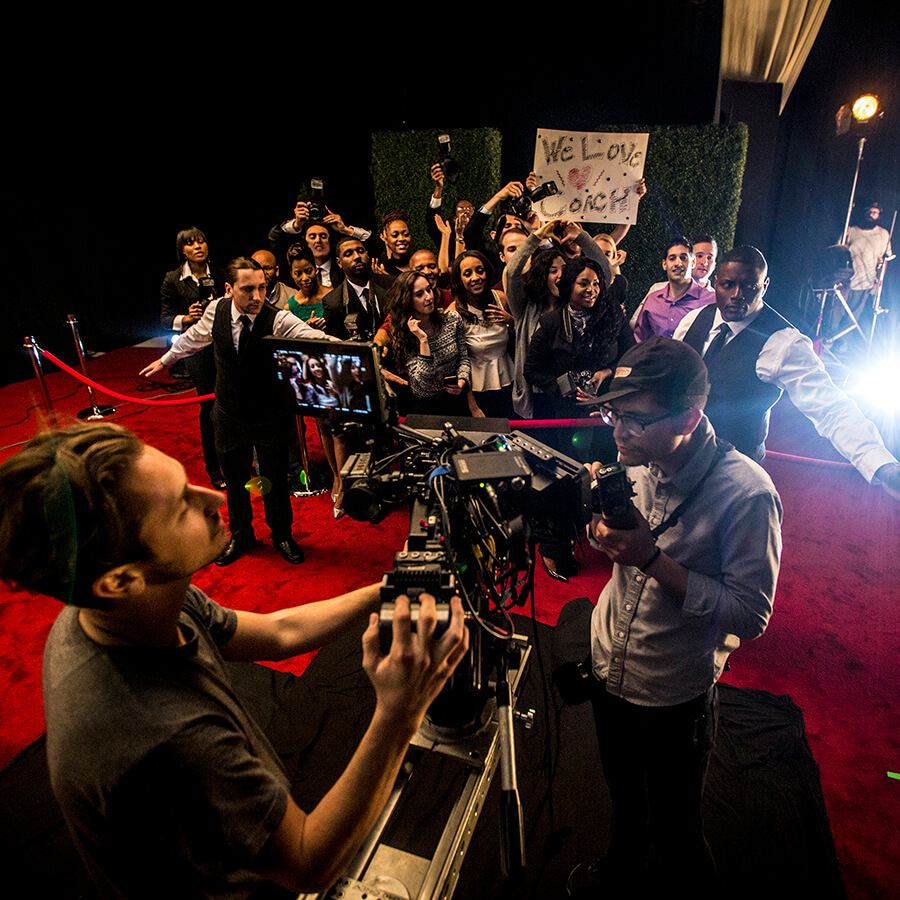
Images shape first impressions in seconds. A customer scrolling through a website, menu, or social feed decides almost instantly whether a brand looks trustworthy. Strong visuals therefore carry real commercial weight. Many local businesses now invest in commercial photography Melbourne professionals to make that first glance count.
Key Takeaways
- Professional images build credibility faster than stock photos or phone snapshots.
- Product photography supports online sales by showing detail, scale, and quality.
- Team and workplace portraits give companies a human, approachable image.
- Hospitality, property, and retail brands rely heavily on lifestyle and interior photography.
- Consistent visual style makes a brand recognisable across every channel.
- One photo shoot can supply images for websites, ads, packaging, and social media.
- Clear briefs, shot lists, and licensing terms protect both budget and usage rights.
- Original photography often performs better in search results than generic imagery.
Why Original Images Beat Stock Photos
Stock photos are cheap, but shoppers recognise them. A generic handshake or smiling headset worker says nothing about the business behind the page. In contrast, original images show real products, real people, and real places.
Authenticity builds trust. Moreover, search engines can tell when an image appears on hundreds of unrelated sites. Original photography gives a brand something unique, and as a result, it stands out in both search and social results.
Product Photography and Online Sales
Online shoppers cannot touch what they buy. Therefore, images must do the work of a showroom. Clean, well-lit photos show texture, colour, and size accurately, which reduces doubt at checkout.
The payoff is measurable. For instance, retailers often see fewer returns when images match the product closely. Multiple angles, close-ups, and in-use shots also help. Indeed, buyers who see a product in context find it easier to imagine owning it.
Showing Your People and Workplace
Customers buy from people, not logos. Professional headshots and team portraits introduce the faces behind a company. Furthermore, candid shots of staff at work suggest a friendly, capable culture.
These images serve recruitment as well. Job seekers browse company pages before they apply. Accordingly, a bright, honest gallery of the office or workshop attracts better candidates. Law firms, clinics, and tech companies in the CBD use this approach often.
Industries That Benefit Most
Some sectors gain more than others. Specifically, businesses selling an experience or a physical product rely most on imagery.
- Restaurants and cafes need appetising food shots and warm interiors.
- Real estate agents need bright, wide-angle property images.
- Fashion and homewares brands need styled, consistent catalogue photos.
- Manufacturers need clear shots of machinery, processes, and finished goods.
However, service firms benefit too. A consultant with sharp portraits and branded imagery looks more established than a competitor with none.
Building a Consistent Visual Identity
Consistency turns scattered images into a brand. Colour palette, lighting style, and composition should stay similar across every shot. As a result, a customer who sees a post on Instagram recognises the same brand on a billboard.
A style guide helps. It records preferred angles, backgrounds, and editing tones so that future shoots match earlier ones. Both marketing staff and outside photographers can then follow the same rules without constant explanation.
Choosing a Local Photographer
Style and experience vary widely, so research matters. Look at past work, check that it suits your industry, and ask about equipment and editing. In particular, confirm that the photographer understands commercial usage rather than only portraits or weddings.
Local teams add practical value. Film & Edit Co. photography services, for example, sit alongside video production, which suits brands that want matching stills and footage from one shoot. Consequently, the visual style stays aligned across both formats.
Planning a Photo Shoot That Delivers
A good shoot starts with a brief. The brief lists the purpose of the images, the channels where they will appear, and the mood the brand wants. Next, the photographer builds a shot list and schedules the location, models, and props.
Licensing deserves attention too. Businesses should confirm where and for how long they can use each image. Otherwise, disputes can arise later. Clear agreements on usage, editing, and delivery formats keep projects simple and professional.
Getting More From Every Image
A single shoot can fuel months of content. Photos can appear on websites, brochures, packaging, email campaigns, and paid ads. Additionally, designers can crop one wide image into square, vertical, and banner formats.
Results should be tracked. Click-through rates, time on page, and conversion rates show which images connect with customers. Therefore, brands that invest in commercial photography Melbourne specialists gain assets that keep working long after the shoot day ends.