
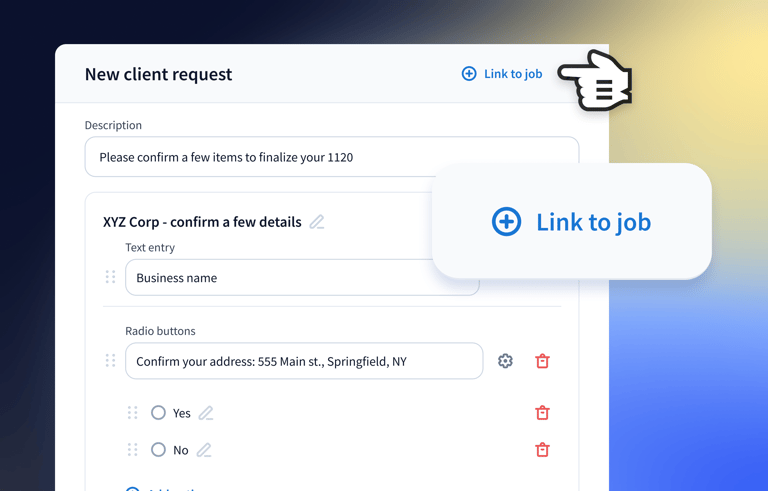
Handling Client Requests More Efficiently
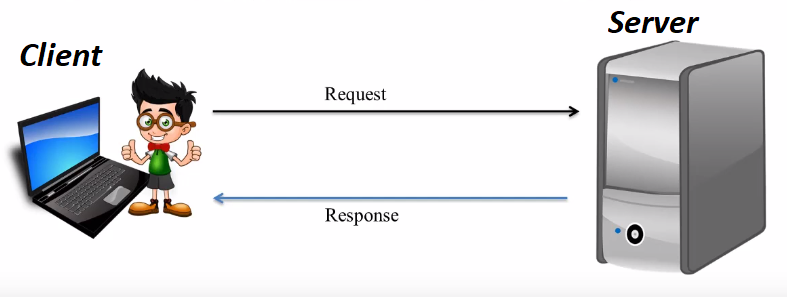
Every business thrives on its relationships with clients. But keeping those relationships strong means responding promptly and effectively to client requests. A disorganized system can lead to missed opportunities, frustrated clients, and ultimately, damage to your reputation. This article explores practical strategies to manage client requests with greater ease and efficiency, leading to happier clients and a more productive team for us.
Key Takeaways:
- Implement a centralized system for logging and tracking all client requests.
- Establish clear communication channels and response time expectations.
- Prioritize client requests based on urgency and impact.
- Leverage technology to automate tasks and improve workflow.
Centralizing Your Client Requests System
The first step to handling client requests more efficiently is to centralize them. Instead of relying on scattered emails, sticky notes, or informal conversations, implement a dedicated system for logging and tracking every request. This could be a simple spreadsheet, a project management tool like Asana or Trello, or a CRM (Customer Relationship Management) system.
The key is consistency. Make sure everyone on your team understands the importance of using the system and is trained on how to use it effectively. A centralized system provides several benefits:
- Improved Visibility: Everyone can see the status of each request, eliminating confusion and duplication of effort.
- Better Organization: All relevant information, such as client contact details, request details, deadlines, and assigned team members, are stored in one place.
- Enhanced Accountability: Clear assignment of responsibility ensures that no request falls through the cracks.
- Data Analysis: You can track trends, identify bottlenecks, and measure performance to continuously improve your processes.
For example, instead of a client emailing several team members with slightly different versions of the same request, train them to submit requests through a dedicated portal. This allows us to manage requests more effectively and ensures that all team members are aware of the request.
Streamlining Communication for Client Requests
Communication is paramount when dealing with client requests. Clear, concise, and timely communication builds trust and prevents misunderstandings. Here are some tips for improving communication around client requests:
- Acknowledge Receipt: As soon as you receive a request, acknowledge it promptly. Even a simple “We’ve received your request and will get back to you within [timeframe]” goes a long way in reassuring the client.
- Set Expectations: Be upfront about your response times and turnaround times. If you can’t fulfill a request immediately, let the client know when they can expect a resolution.
- Provide Regular Updates: Keep the client informed of the progress of their request. Even if there are no significant updates, a brief check-in shows that you’re still working on it.
- Choose the Right Channel: Not all communication needs to be via email. For quick questions or urgent matters, consider using instant messaging or phone calls.
- Use Clear and Concise Language: Avoid jargon and technical terms that the client may not understand. Explain things clearly and simply.
By actively communicating with your clients throughout the process, you can manage their expectations, address their concerns, and build stronger relationships. This also allows us to proactively identify potential issues before they escalate.
Prioritizing and Managing Incoming Client Requests
Not all client requests are created equal. Some are urgent and critical, while others are less time-sensitive. To manage your workload effectively, it’s essential to prioritize client requests based on factors such as urgency, impact, and strategic importance.
Here are some techniques for prioritizing client requests:
- Use a Prioritization Matrix: Create a simple matrix that categorizes requests based on their impact and urgency. For example, high-impact and high-urgency requests should be addressed immediately, while low-impact and low-urgency requests can be deferred.
- Consider Client Value: Prioritize requests from high-value clients or those that have the potential to generate significant revenue.
- Align with Business Goals: Focus on requests that align with your overall business objectives.
- Delegate Effectively: Don’t try to do everything yourself. Delegate tasks to team members based on their skills and workload.
- Set Realistic Deadlines: Be honest about your capacity and set realistic deadlines that you can actually meet.
Prioritizing client requests ensures that you’re focusing on the most important tasks and delivering the greatest value to your clients. This helps us maintain client satisfaction and achieve our business goals.
Leveraging Technology to Improve Client Requests Handling
Technology can play a significant role in streamlining your client requests process. There are various tools and platforms available that can help you automate tasks, improve communication, and enhance collaboration.
Here are some examples of how you can leverage technology:
- CRM Systems: CRM systems like Salesforce or HubSpot provide a centralized platform for managing client data, tracking interactions, and automating marketing and sales processes.
- Project Management Tools: Project management tools like Asana, Trello, or Monday.com help you organize tasks, assign responsibilities, track progress, and collaborate with your team.
- Help Desk Software: Help desk software like Zendesk or Freshdesk allows you to manage support tickets, track customer issues, and provide self-service resources.
- Automation Tools: Automation tools like Zapier or IFTTT can automate repetitive tasks, such as sending email notifications or updating spreadsheets.
- Communication Platforms: Communication platforms like Slack or Microsoft Teams facilitate real-time communication and collaboration within your team.
By implementing the right technology solutions, you can automate manual processes, improve communication, and enhance the overall efficiency of your client requests handling. This frees us up to focus on more strategic tasks and provide even better service to our clients.