
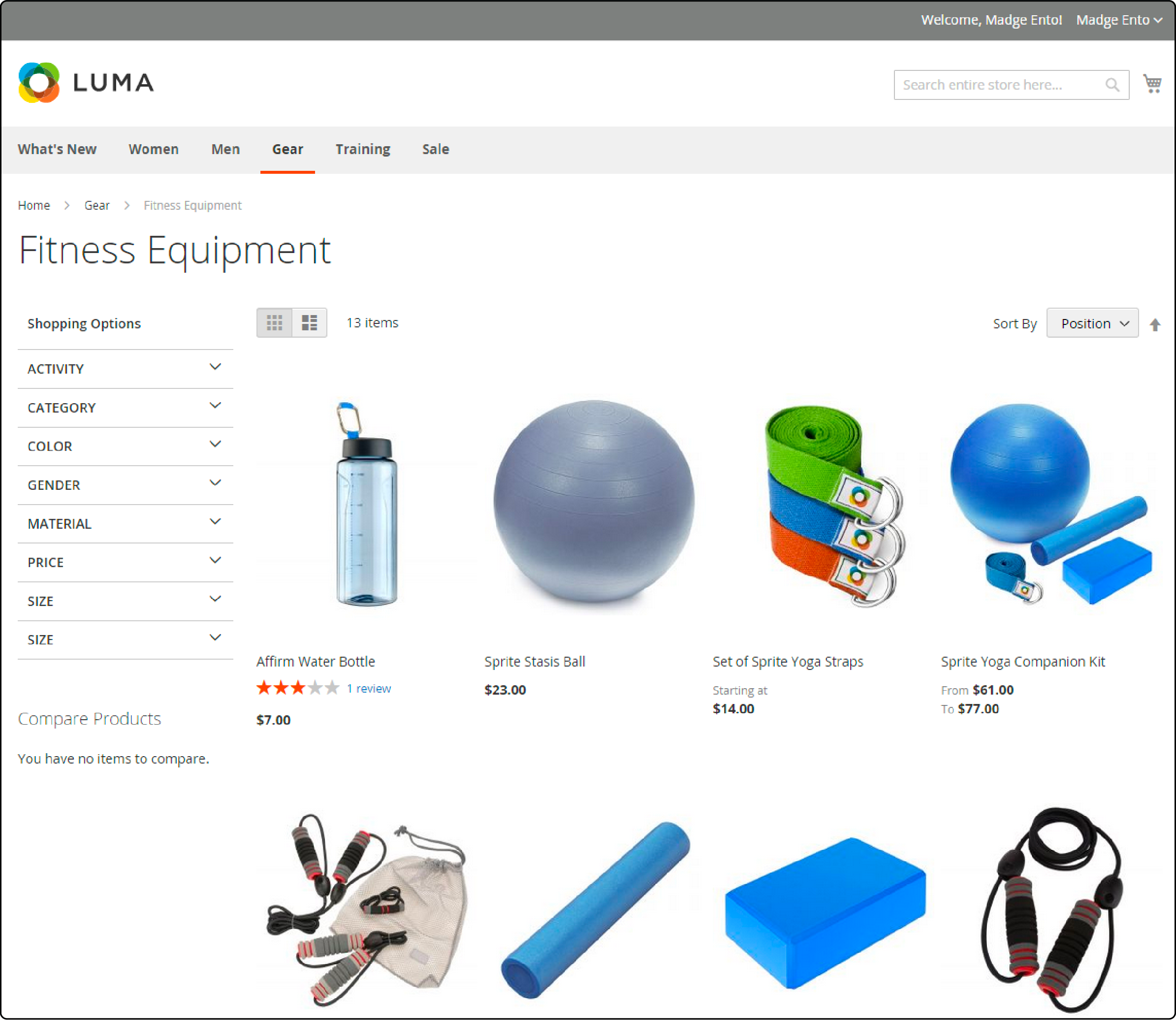
Are your product listings not performing as well as you’d hoped? Are you struggling to attract customers and convert those precious clicks into actual sales? You’re not alone. Many online businesses face the challenge of creating effective product listings that stand out in a crowded marketplace. Creating compelling product listings is a crucial aspect of selling online. It’s the first impression customers have of your products, and it can make or break a sale.

Key Takeaways:
- Optimizing your product listings involves strategic keyword research, compelling product descriptions, and high-quality images.
- Improving your product listings search ranking through SEO tactics will increase visibility and drive more traffic to your products.
- A/B testing different elements of your product listings, such as titles and images, will help you identify what resonates most with your target audience.
- Monitoring and analyzing your product listings performance will provide valuable insights for continuous improvement.
Why High-Quality Product Listings Matter
Think of your product listings as your virtual storefront. Just like a brick-and-mortar store needs attractive displays and helpful staff, your product listings need to be informative, engaging, and visually appealing. They are the primary way you communicate the value of your products to potential customers. If your product listings are poorly written, lack essential details, or feature low-quality images, you’re likely losing sales to competitors who have invested in optimizing their listings.
Furthermore, the algorithms that power search engines and e-commerce platforms like Amazon and Etsy prioritize product listings that are well-optimized. By using relevant keywords, providing detailed information, and maintaining high-quality images, you increase the chances of your products appearing higher in search results. This increased visibility translates to more traffic, more clicks, and ultimately, more sales. We should all be mindful that high quality listings can greatly impact sales.
Crafting Effective Product Listings Titles
Your product listings title is arguably the most important element. It’s the first thing customers see in search results, and it needs to be both informative and attention-grabbing. Including relevant keywords is essential, but so is creating a title that accurately describes your product and entices customers to click. Avoid generic titles that blend in with the competition.
Instead, focus on incorporating key product features, benefits, and target audience. For instance, instead of simply “Leather Wallet,” consider “Handcrafted Leather Wallet for Men – Slim Bifold Design – RFID Blocking.” This title includes specific details that appeal to potential buyers and help your listing stand out. Remember to optimize your titles for both humans and search engines. They need to be readable and persuasive while also containing the keywords that customers are likely to use when searching for your product.
Writing Compelling Product Listings Descriptions
While the title grabs attention, the description seals the deal. This is your opportunity to provide potential customers with all the information they need to make a purchase decision. Don’t just list features; highlight the benefits of your product and explain how it solves a problem or fulfills a need. Use clear, concise language that is easy to understand.
Break up large blocks of text with bullet points and subheadings to improve readability. Include details about materials, dimensions, care instructions, warranty information, and anything else that might be relevant to the customer. Consider your target audience and tailor your language to their specific interests and needs. If you’re selling to a technical audience, you might need to use more technical jargon. If you’re selling to a general audience, keep the language simple and straightforward. As an added tip, read the reviews of your competitors’ products to see what customers are asking about or complaining about, and address those points in your description. This demonstrates that you understand your customers’ needs and are committed to providing a positive buying experience.
Using High-Quality Images in Product Listings
In the world of online shopping, visuals are everything. Since customers can’t physically touch or try on your products, high-quality images are essential for conveying their value and features. Use multiple images that showcase your product from different angles and in different settings. Make sure your images are well-lit, in focus, and accurately represent the product’s color and size.
Consider using lifestyle images that show your product in use. For example, if you’re selling a backpack, show someone wearing it while hiking or traveling. This helps customers visualize themselves using the product and creates a stronger connection. Avoid using blurry, pixelated, or poorly composed images. These can damage your credibility and deter potential buyers. Invest in professional photography or learn basic photography skills to create images that are both informative and visually appealing. The effort will pay off in increased sales and a stronger brand image. If it’s in your budget, consider investing in a 360-degree view of your product.